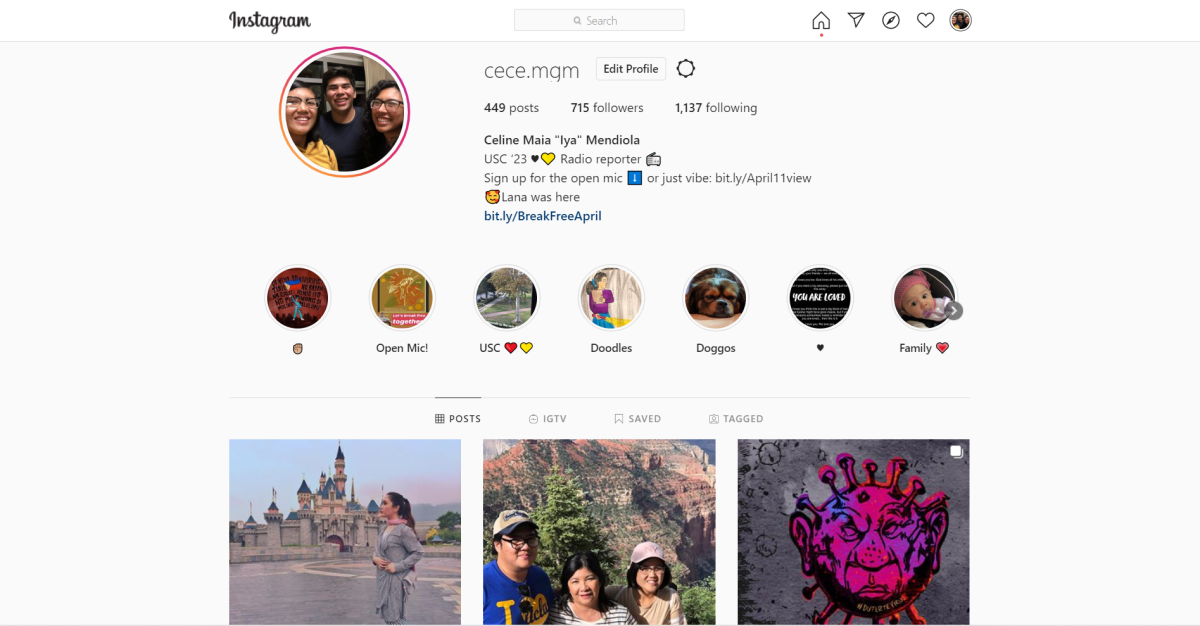
When I first got Instagram as a 7th grader, I never really cared what I put out there. I thought I didn’t have anything to hide, so I tended to post, well… everything.

At the same time, I was paranoid because of the show Person of Interest, a drama about digital surveillance. The protagonists’ machine would analyze a person’s digital footprint to determine if they were potentially in danger.
The powers of that surveillance machine terrified me with dark fantasies of how other people could possibly harness my information online, too…
…But since it was fiction, it never convinced me to minimize my digital footprint.
Fast forward 6 years later. Since then, I’ve matured online. I no longer post everything—just a few posts a month to mark eventful days. Usually, though, these limits lull me into a false sense of protection from Instagram’s data collection.
I even thought Instagram was collecting incorrect data!
One look through my “Ads Interests”, and I immediately recognized inaccuracies: I am not interested in real estate, first-person shooter games, and definitely not mortgage loans.
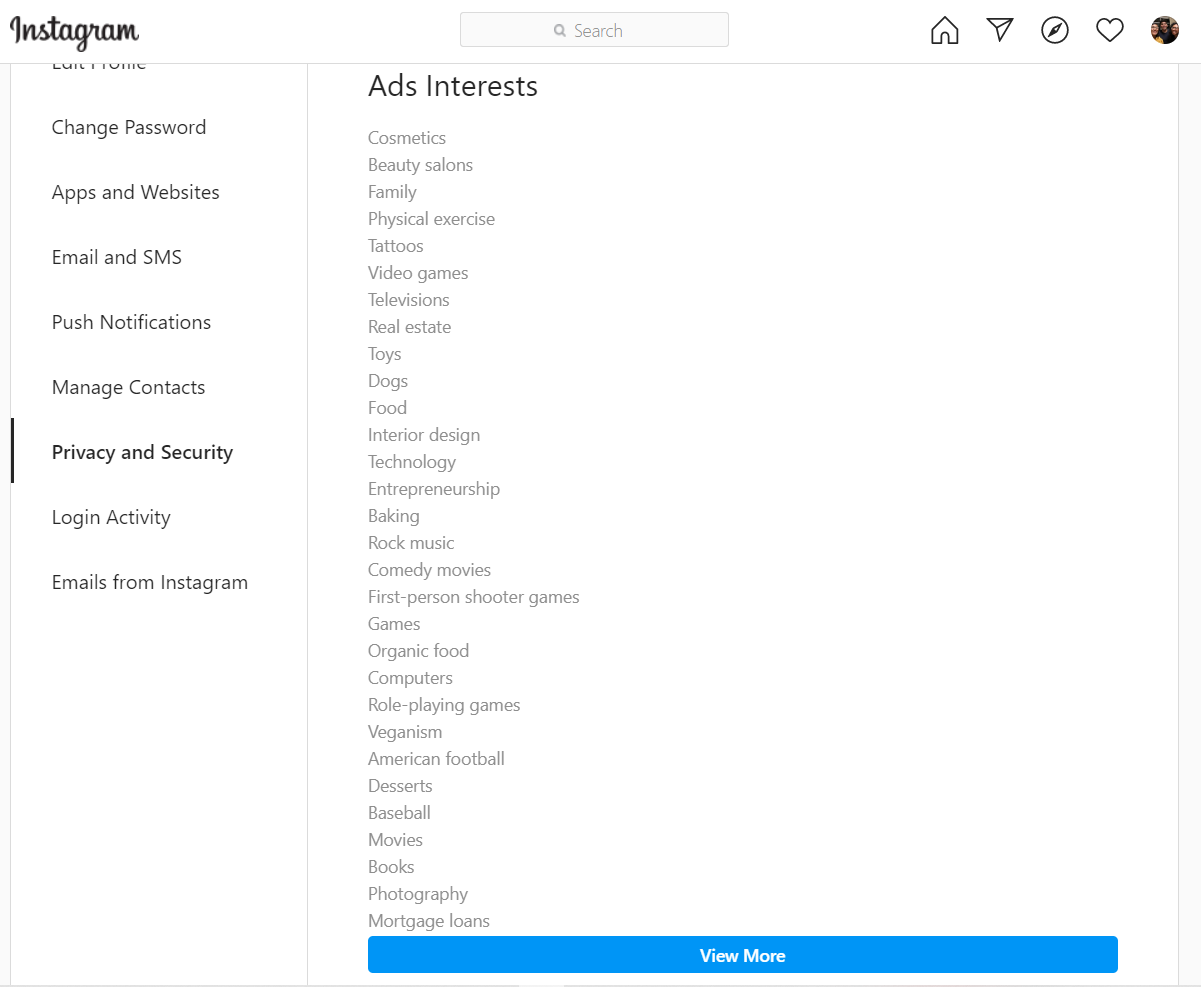
But one ten-minute scroll through my home page proved me wrong: Instagram actually collects very accurate data about my interests.

Very accurately, the five ads I came across eerily tantalized me with things I’m interested in… like this paper tablet… 
…or this podcast interview with a comic book writer/illustrator… 
…or these (gorgeously) designed Harry Potter books… 
…or these liquid chalk markers… 
…or this bundle of a novel, journal, and pens made for budding poets (like me).
That made sense to me. Instagram probably collects this data more accurately because they have an economic incentive to do so. Each ad actually tantalized me to click, which adds one more drop in the bucket of clicks for that advertiser. And that advertiser, in turn, will continue to partner with Instagram…
So, what’s the incentive for keeping records of my posts?
This question echoed through my head as I waded through my data. But instead of finding an answer, I instead found…nostalgia.


I dug up bits of my life that I thought I’d never find again. I forgot how much I used to love posting collages, or how many of my selfies were taken at a lower angle. Even if my brain had long forgotten these moments, Instagram still remembered them…
…and suddenly, my nostalgia goggles became replaced with reality.
It’s surreal to think: Instagram has these memories, when I don’t remember ever having them in the first place. They’re not my private memories, anymore; they’re stored somewhere in the cloud.
But wait… these specific memories in my data… they were never private to begin with, weren’t they?
I chose to post them for the public to see. That’s one of my rights as a digital citizen—to express myself online.
But because I have the right to express myself online, I also have a responsibility. I have to be careful about how I express myself so that I can protect my other right as a digital citizen: privacy.
By watching how I express myself (and not just “how often”), I can still have a sizable portion of my identity kept to myself. Right now, Instagram has a lot of data… but they still don’t know everything about me.
And I’d like to keep it that way.

 Girl Meets The World of Media